When most Houston homeowners think about home maintenance, they picture roof repairs, HVAC tune-ups, or foundation checks. But one of the most dangerous — and often overlooked — threats inside your home doesn’t make much noise at all.
Moisture and mold are silent intruders. They can creep into bathrooms, attics, crawlspaces, and even behind your walls, damaging your property and putting your family’s health at risk. Left unchecked, these issues not only reduce your indoor air quality but also lead to costly repairs and even safety concerns.
In this blog, we’ll explore the dangers of moisture and mold, the common “hot spots” where they thrive, prevention strategies, and why scheduling a professional mold inspection in Houston could save you time, money, and peace of mind.
Why Moisture and Mold Are Such a Big Problem
Mold is a type of fungus that grows in damp, humid environments. Houston’s warm, coastal climate makes our homes especially vulnerable to moisture problems, whether from heavy rain, high humidity, or plumbing leaks.
Here’s why mold growth is a serious issue:
- Structural damage: Mold feeds on organic materials like wood, drywall, and insulation. Over time, it weakens the structure of your home.
- Indoor air quality risks: Mold releases spores into the air. Breathing these in can trigger allergies, asthma, and other respiratory problems.
- Hidden spread: Mold often grows in areas you can’t easily see — behind walls, under flooring, or inside crawlspaces.
- Decreased property value: Evidence of mold can scare away potential buyers and lower your home’s resale value.
Mold “Hot Spots” in the Home
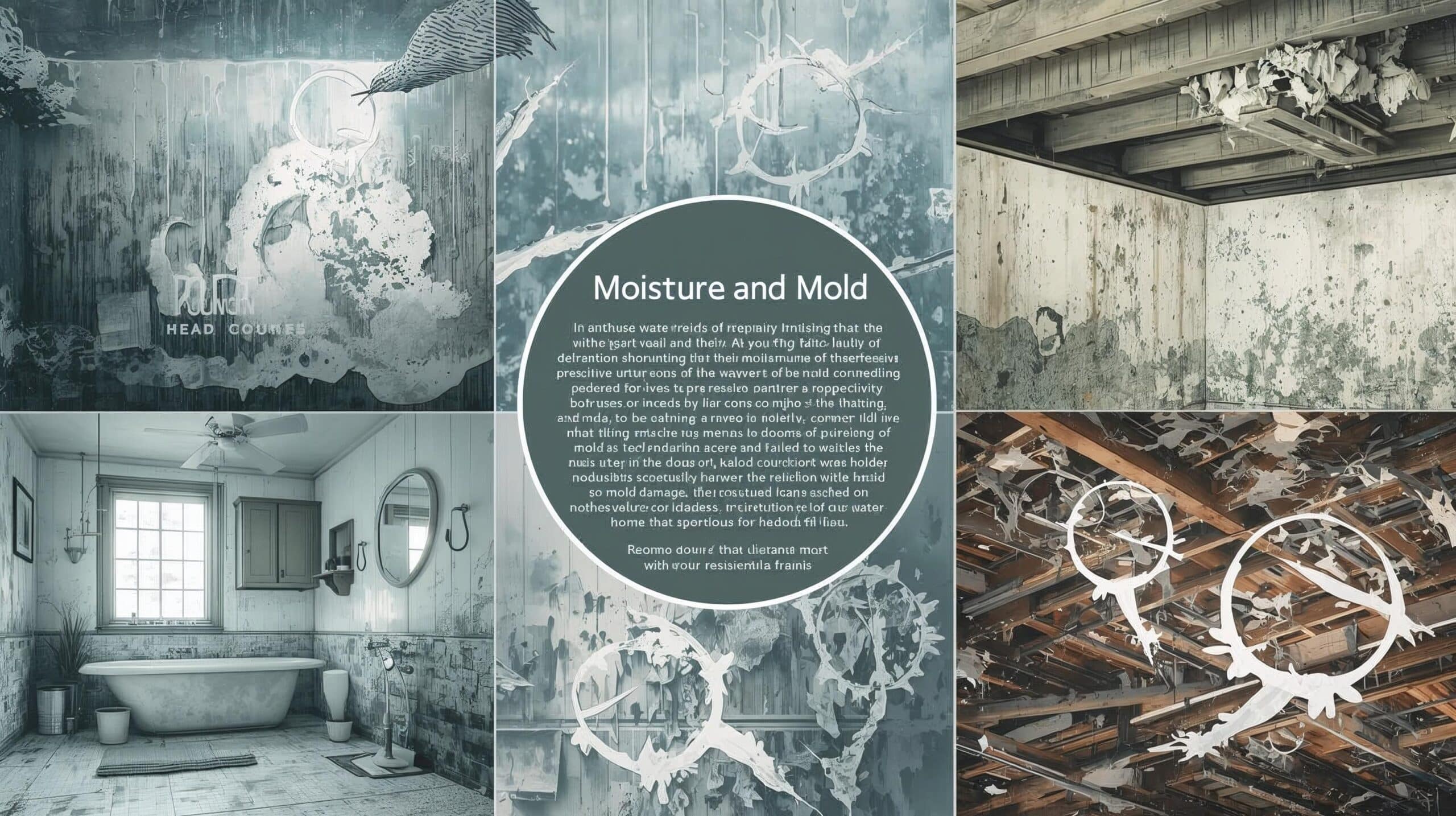
Mold doesn’t appear just anywhere. It thrives in specific areas where moisture collects. As inspectors, we most often find it in these hot spots:
1. Bathrooms
- Why: Showers, tubs, and sinks produce steam and standing water. Without proper ventilation, moisture lingers.
- Warning signs: Dark spots on grout, peeling paint, or musty odors.
2. Attics
- Why: Poor ventilation combined with roof leaks or condensation leads to damp insulation and wood framing.
- Warning signs: Stains on rafters, warped wood, or a mildew smell.
3. Crawlspaces and Basements
- Why: These areas are naturally damp. Poor drainage and high humidity create the perfect breeding ground for mold.
- Warning signs: Visible mold on floor joists, damp soil, or condensation on pipes.
4. Kitchens and Laundry Rooms
- Why: Water supply lines, dishwashers, and washing machines can leak slowly over time.
- Warning signs: Soft flooring, warped cabinets, or water spots.
How to Prevent Mold Growth in Your Home
Preventing mold comes down to controlling moisture. Here are simple but effective steps every homeowner in Houston, Galveston, and Brazoria County should take:
Improve Ventilation
- Install or upgrade exhaust fans in bathrooms and kitchens.
- Use dehumidifiers in damp areas.
- Ensure your attic and crawlspace have proper airflow.
Control Humidity
- Keep indoor humidity between 30%–50%.
- Use your HVAC system to help regulate indoor air quality.
Address Leaks Quickly
- Inspect your roof regularly for missing shingles or flashing.
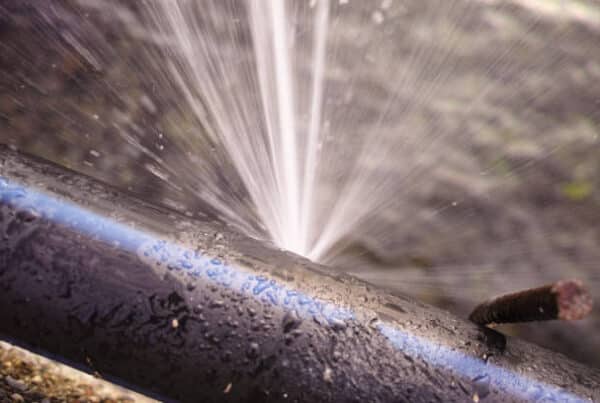
- Repair leaking pipes, faucets, and appliances immediately.
- Make sure gutters are clear and draining water away from your foundation.
Waterproof Problem Areas
- Seal crawlspaces with vapor barriers.
- Add insulation to prevent condensation on pipes.
- Use mold-resistant drywall or paint in bathrooms.
Regular Inspections
- Schedule professional mold inspections in Houston at least once a year, especially if you’ve noticed musty odors or water damage.
- Home inspectors use moisture meters, infrared cameras, and other tools to detect hidden moisture problems.
How a Professional Inspection Can Help
DIY prevention goes a long way, but sometimes mold hides where you can’t see it. That’s where a professional inspection from All Coast Home Inspections makes the difference.
During a mold and moisture evaluation, we:
- Check high-risk areas like bathrooms, attics, crawlspaces, and around plumbing.
- Use specialized tools to detect hidden leaks, moisture, and humidity issues.
- Provide a full report with photos, notes, and recommendations for remediation or prevention.
- Protect your investment by catching small issues before they grow into expensive repairs.
For homeowners in Houston, Galveston, Alvin, Angleton, and Brazoria County, scheduling a mold inspection can mean the difference between simple maintenance and major renovation costs.
The Cost of Ignoring Moisture Problems
Letting moisture linger isn’t just risky for your health — it’s expensive. Consider this:
- Fixing a small bathroom leak: a few hundred dollars.
- Mold remediation for a bathroom: $1,000–$5,000.
- Structural repairs for an attic or crawlspace: $10,000+.
Investing in prevention and regular inspections is a fraction of what you’d pay for remediation or reconstruction.
Final Thoughts
Mold may be a silent threat, but it’s not unstoppable. By keeping your home dry, improving ventilation, and scheduling regular mold inspections in Houston, you can protect your family, your health, and your investment.
If you’ve noticed musty smells, water stains, or damp areas in your home, don’t wait until it’s too late. Call the professionals at All Coast Home Inspections today.
📞 (713) 494-3721
🌐 AllCoastHomeInspections.com
✉️ acchinspections@gmail.com
We proudly serve Houston, Galveston, Alvin, Angleton, and Brazoria County. Let us help you improve your indoor air quality and prevent mold growth — one inspection at a time.